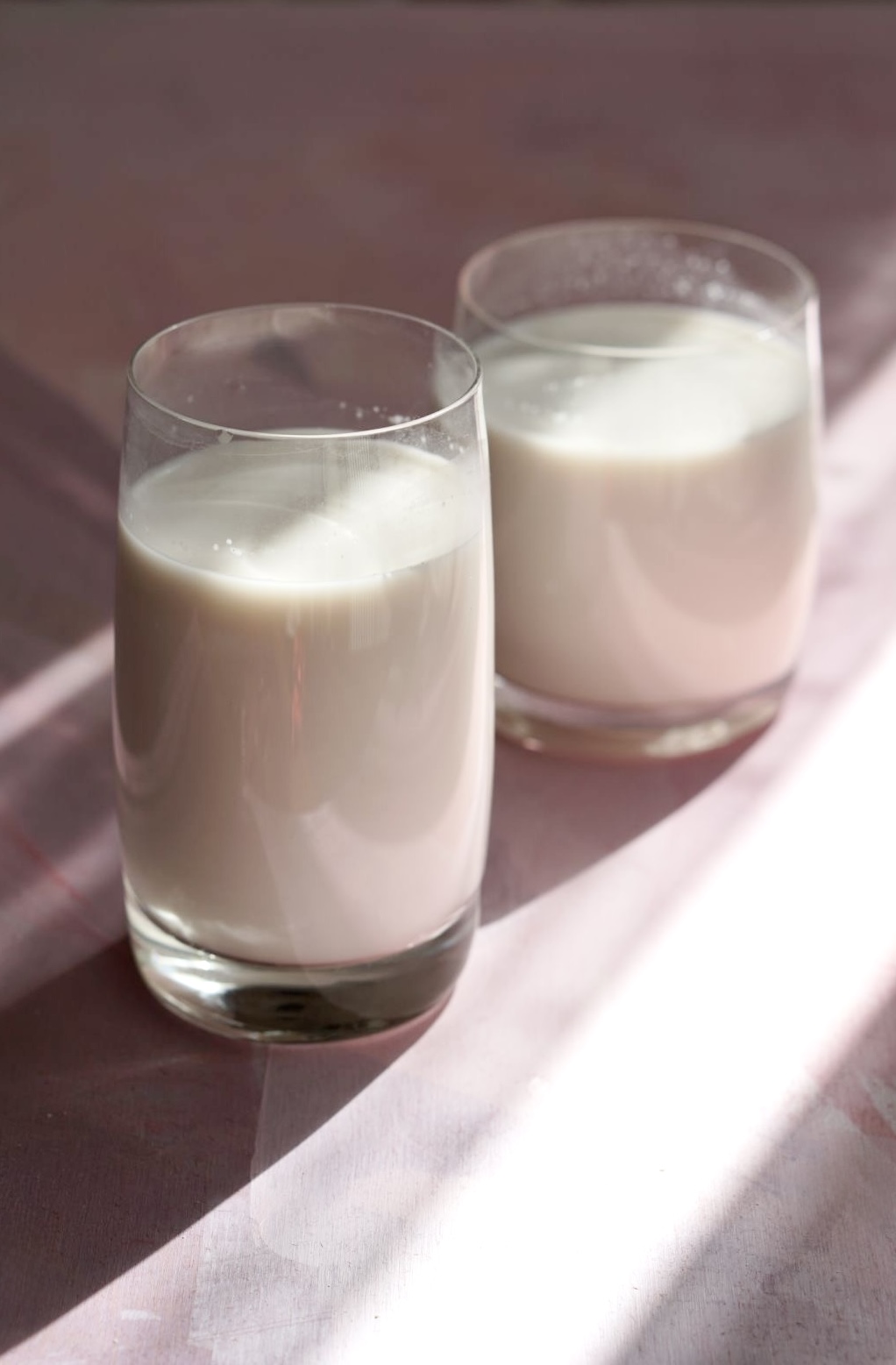
More and more people are replacing cow’s milk with plant-based alternatives. But why switch to almond milk or other dairy-free options?
There are many reasons. Some people are lactose intolerant, others avoid animal products, and some simply want a cleaner, more natural alternative without hormones or additives. For many, it’s also about improving digestion and overall well-being.
Adding plant-based milk to your diet is a great way to diversify your nutrition. However, not all store-bought options are healthy — many contain additives, oils, and preservatives. That’s why making almond milk at home is the best choice.
Benefits of Almond Milk
Almond milk does not contain:
- Lactose - ideal for people with lactose intolerance
- Casein (A1 protein) — often linked to digestive issues
- Cholesterol — suitable for heart-healthy diets
Homemade almond milk is also free from artificial flavors, emulsifiers, and unhealthy fats.
Things to Know About Plant-Based Milk
Not all plant-based milk is created equal. Some people may have allergies to nuts or seeds.
And many commercial products contain added sugars and stabilizers.
That’s why making your own almond milk at home is a simple and healthier option.
What Can You Make Plant-Based Milk From?
You can make milk from:
- Nuts: almonds, hazelnuts, cashews, pistachios, coconut
- Grains & legumes: rice, oats, soy, buckwheat
- Seeds: sesame, poppy, hemp, pumpkin seeds
How to Make Almond Milk (Step-by-Step)
Ingredients:
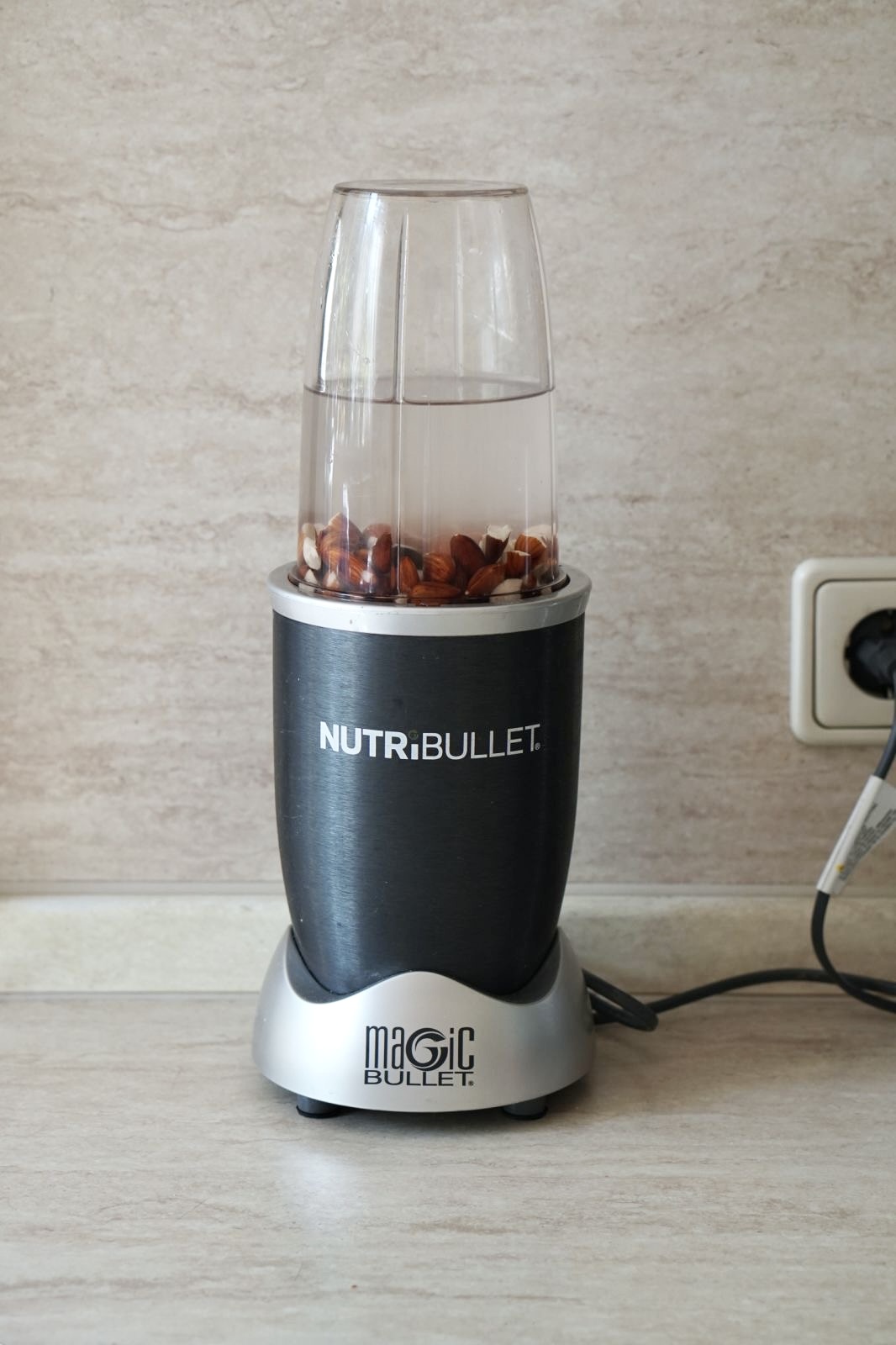
- 1 cup raw almonds
- 3–4 cups water
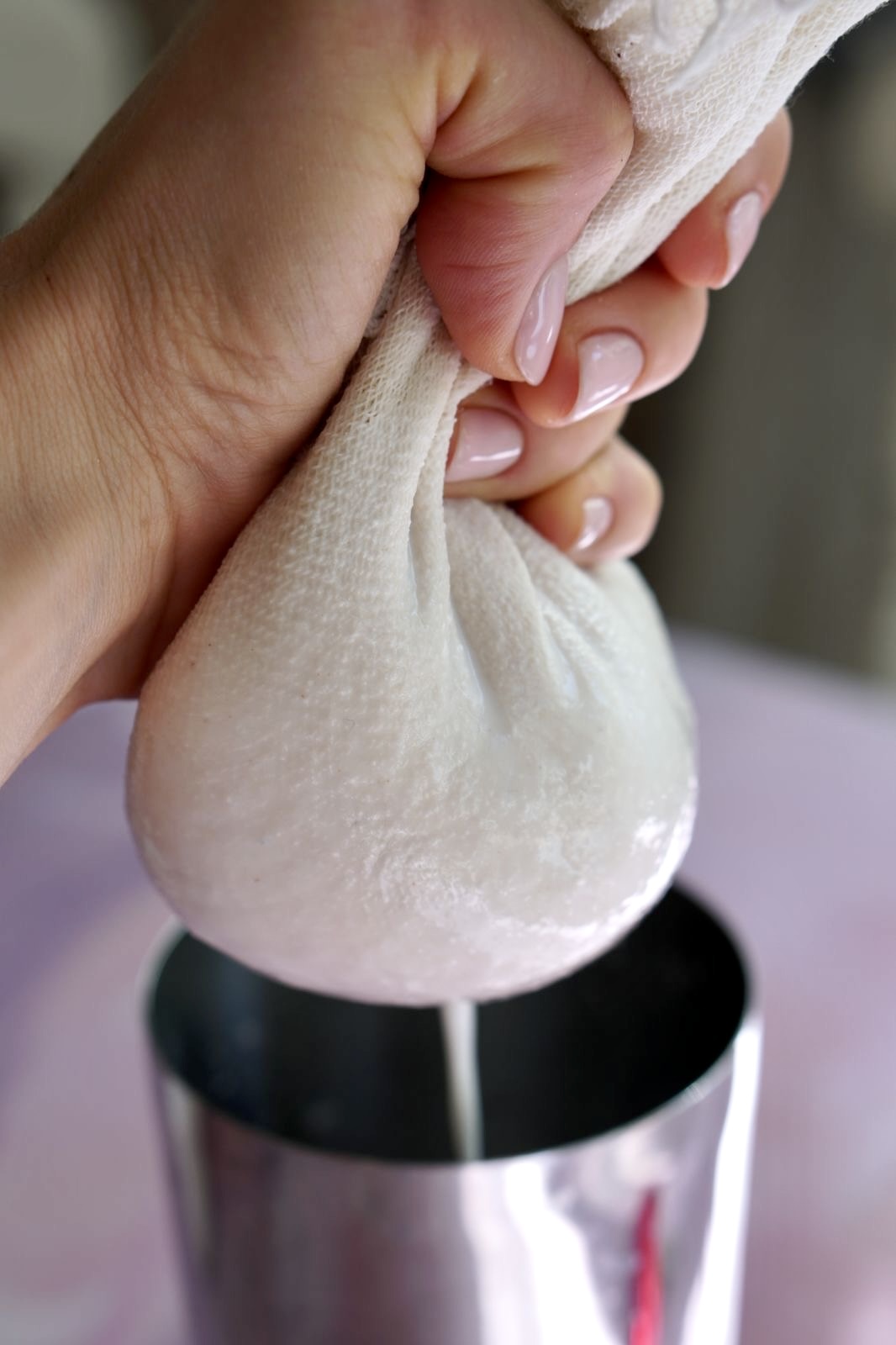
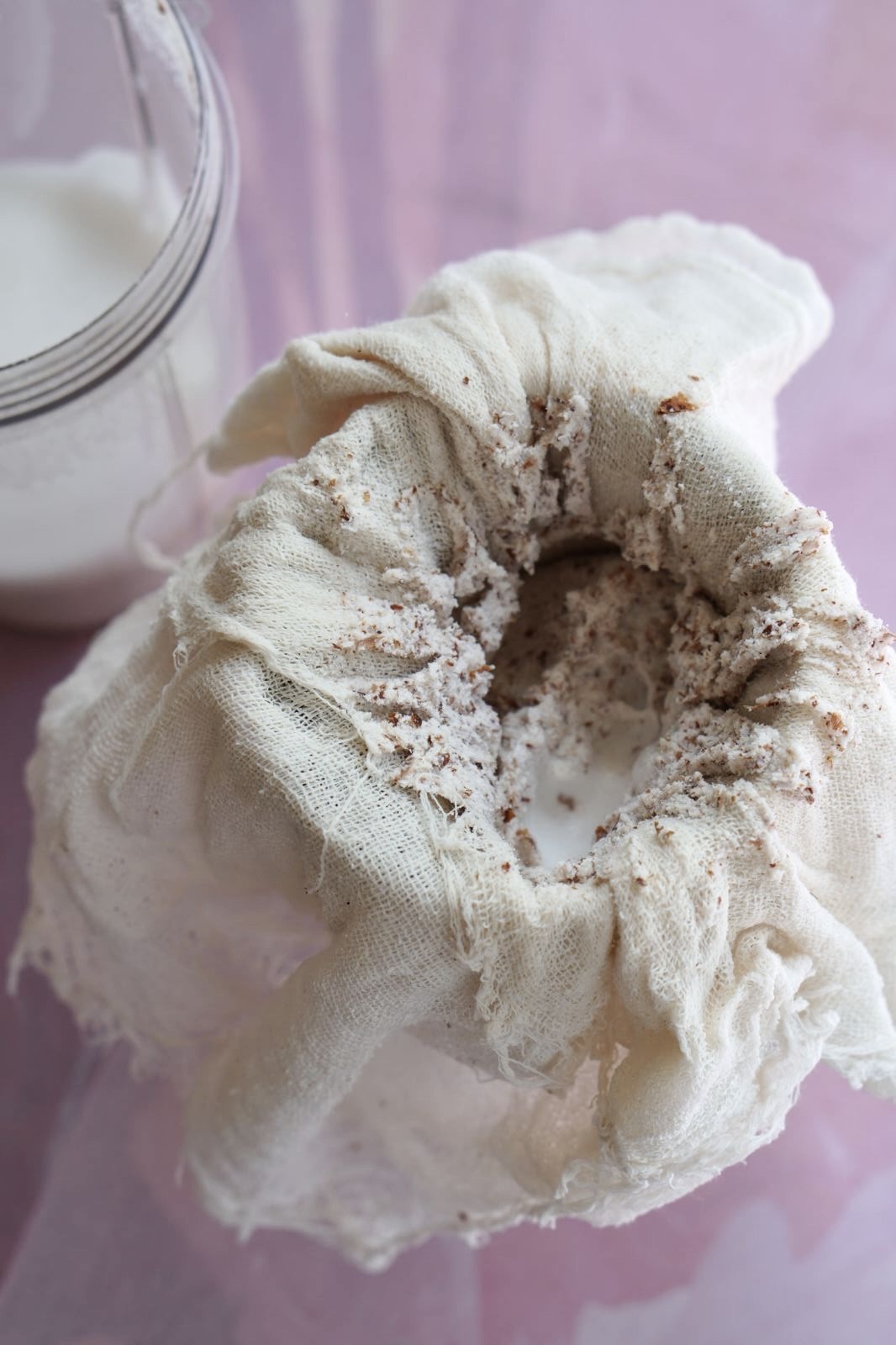
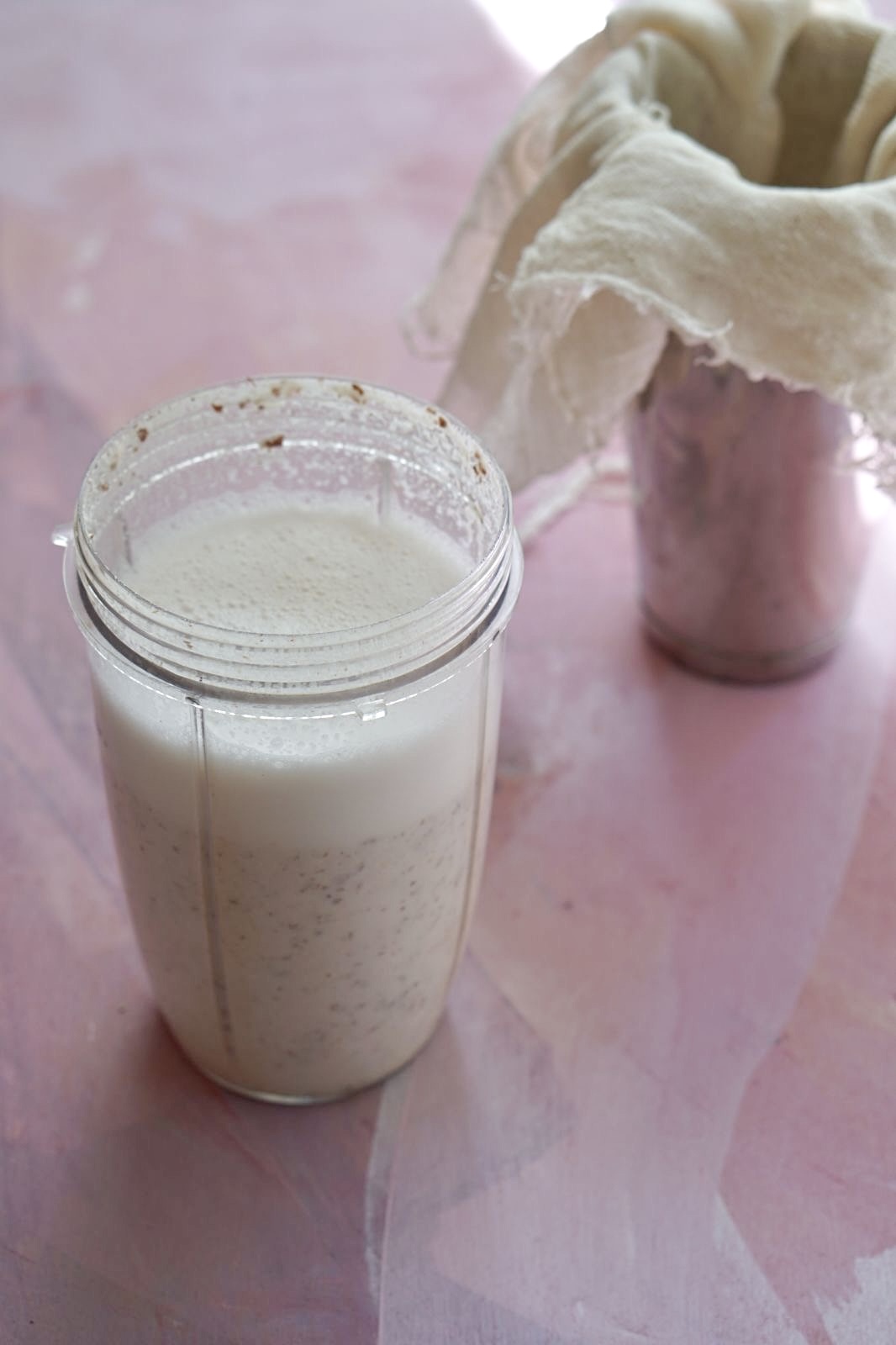
Instructions:


Tips
Store in the fridge for up to 3 days.
Add dates, honey, or vanilla for extra flavor.
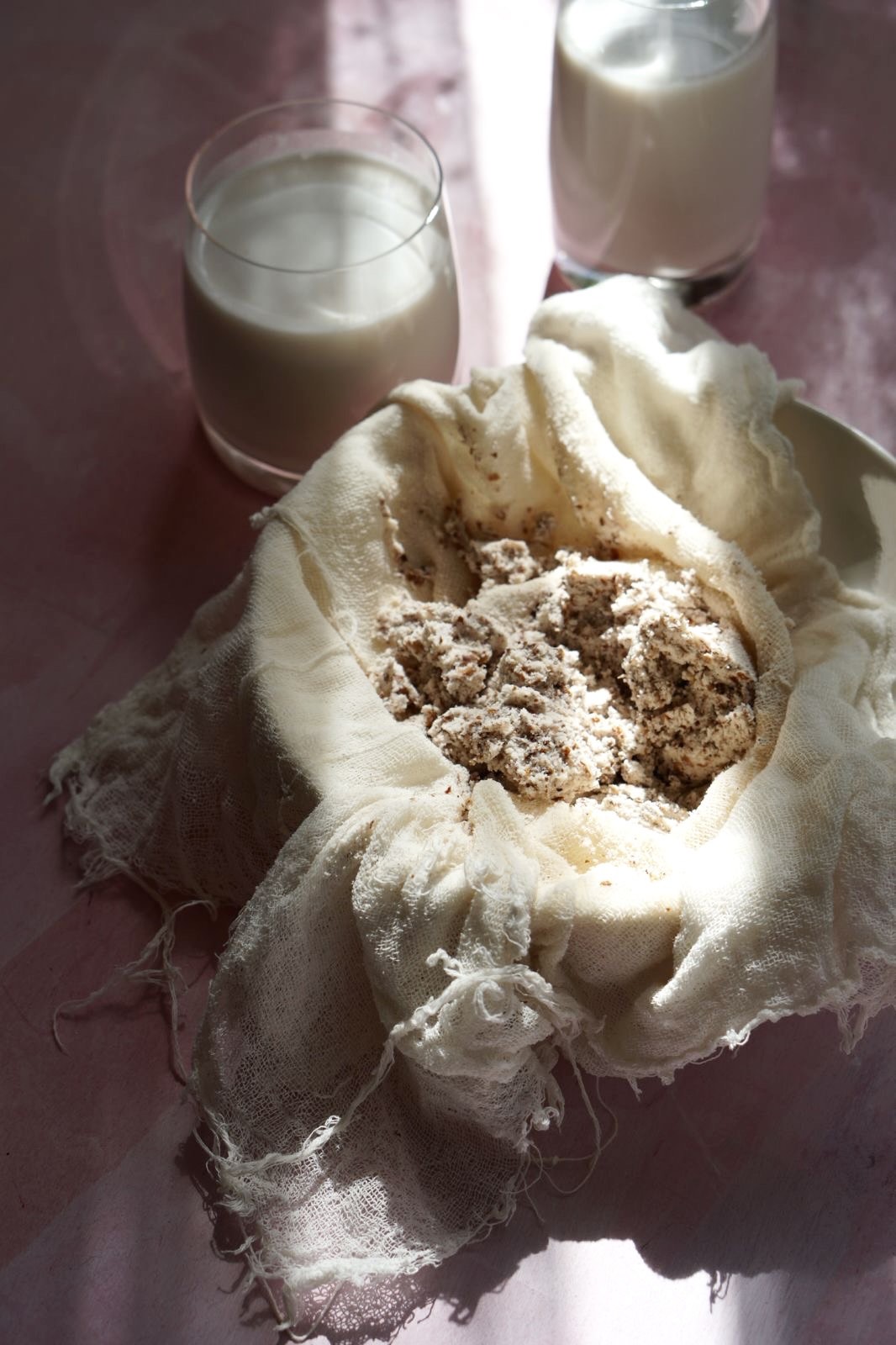
Use the leftover almond pulp for baking.